VW Beetle
A Practical Guide to VW Beetle Roof Racks
Compare roof-rack and deck-lid-rack options for a VW Beetle, including fitment questions, mounting considerations, luggage use, and product selection.
VW Beetle
Compare roof-rack and deck-lid-rack options for a VW Beetle, including fitment questions, mounting considerations, luggage use, and product selection.
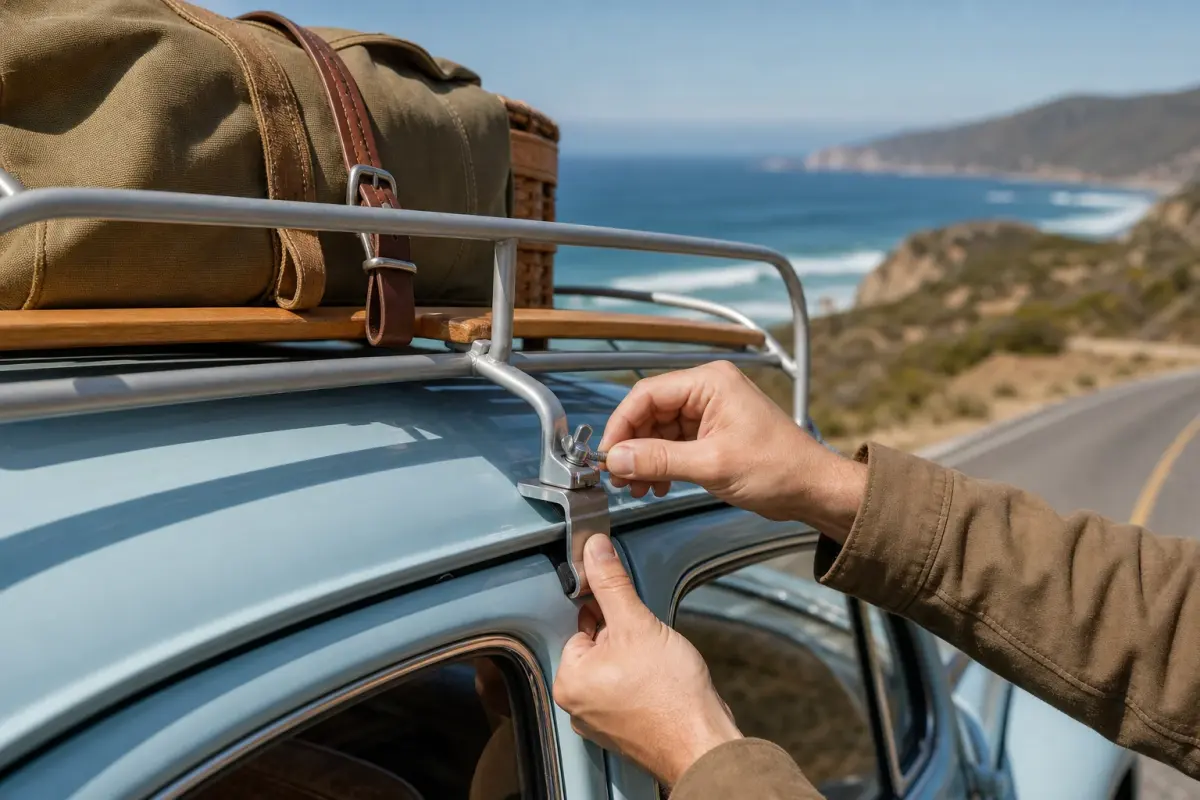
Choose a VW Beetle rack by starting with the car, mounting position, intended load, and way the luggage will be secured—not appearance alone.
A VW Beetle roof rack can make a small classic far more useful, but the right rack is about more than the familiar wood-slat look. The Beetle has a curved roof, exposed rain gutters, limited cabin luggage space, and many decades of body variations. A rack that looks correct but clamps badly, carries the wrong load, or rubs the paint is not a good upgrade.
Before comparing products, photograph the proposed mounting area, record the vehicle and body configuration, and measure the available width and clearance on the actual car. Then separate roof-mounted and deck-lid arrangements so each option is judged against the part of the car it actually uses and the access it must preserve.
Start with what you genuinely plan to carry. A period-style steel rack with wood slats suits luggage, picnic equipment, light touring gear, and the classic Volkswagen appearance. A compact metal basket is easier to clean after regular use. A rack designed around a specific long item may use different crossbar spacing or attachment points.
Do not buy only from a photograph. Check the usable platform dimensions, rack weight, clamp design, bar spacing, and the manufacturer’s stated load limit. The total roof load includes the rack itself as well as everything placed on it. If the rack maker cannot provide fitment or load information, treat that as a warning rather than an invitation to guess.
Separate fixed requirements from preferences. Attachment type, platform footprint, clearance, supplied hardware, and documented limits determine whether an arrangement is suitable; slat material, finish, and how often the rack will be removed can be considered after those requirements are satisfied.
A roof rack places luggage above the cabin and changes the car’s overall height. A deck-lid rack places it at the rear and must preserve safe engine access, ventilation, lighting, and clearance. Neither position is automatically better: the correct choice follows the vehicle, load, mounting geometry, and how the car will be used.
Most classic Beetle racks attach to the rain gutters, but that does not make every gutter-mounted rack interchangeable. The roof curvature, gutter position, clamp reach, rack width, and leg height all affect whether the platform sits level and clears the roof. Body repairs, replacement gutter sections, thick paint, and non-standard trim can also change the fit on an individual car.
Confirm the exact Volkswagen model, model year, and body style before ordering. A rack described vaguely as “classic VW” may be intended for a different roof shape. Ask the seller for mounting dimensions and compare them with the car. If you are considering one of our racks, open support chat with your model and year before checkout.
For a fitment question, send the model, body configuration, selected rack, clear photographs of every attachment area, and the relevant measurements. Mention repaired gutters, replacement panels, thick paint, trim, or modified deck-lid hardware because those details can change how a mounting part seats.
Painted or powder-coated steel gives a traditional appearance and good strength, but chips should be repaired before corrosion spreads. Stainless steel resists corrosion well but still needs cleaning, especially around joints and dissimilar fasteners. Aluminum is light and practical, though contact between different metals should be isolated as the manufacturer intends.
Wooden slats need particular attention. Keep their finish intact, clean dirt from the underside, and allow them to dry rather than trapping moisture beneath luggage. Replace cracked or badly weathered pieces with the correct dimensions and hardware; a decorative slat should not be asked to carry a load it was never designed for.
Material affects care rather than eliminating it. Inspect metal joints, fasteners, coatings, wooden slats, and contact pads regularly. Clean road dirt and salt, dry trapped moisture, and follow the maker’s finish guidance. Natural wood and screen images can vary in tone, so photographs should not be treated as exact color samples.
Keep heavy items low and centered, distribute weight across the platform, and secure every load against forward, rearward, and sideways movement. Soft bags still need proper straps. Loose strap ends can damage paint and make an astonishing amount of noise at road speed.
Do not allow luggage to obstruct the driver’s view, lights, or number plate, and do not assume a stationary display load is safe on the road. Wind acts on boxes, boards, and covered luggage very differently once the car is moving. Recheck the load after the first few miles and at every fuel or rest stop.
The rack maker’s rating and the vehicle’s safe limit take priority over how much space appears available. Never use the rack as a handhold, seat, lifting point, or support for a person.
Plan for airflow and changing road conditions as well as static weight. Covered luggage can create a large wind load, rain can loosen or stretch some restraints, and an uneven shape can move even when it feels secure by hand. Stop and recheck the complete arrangement after the first part of a journey.
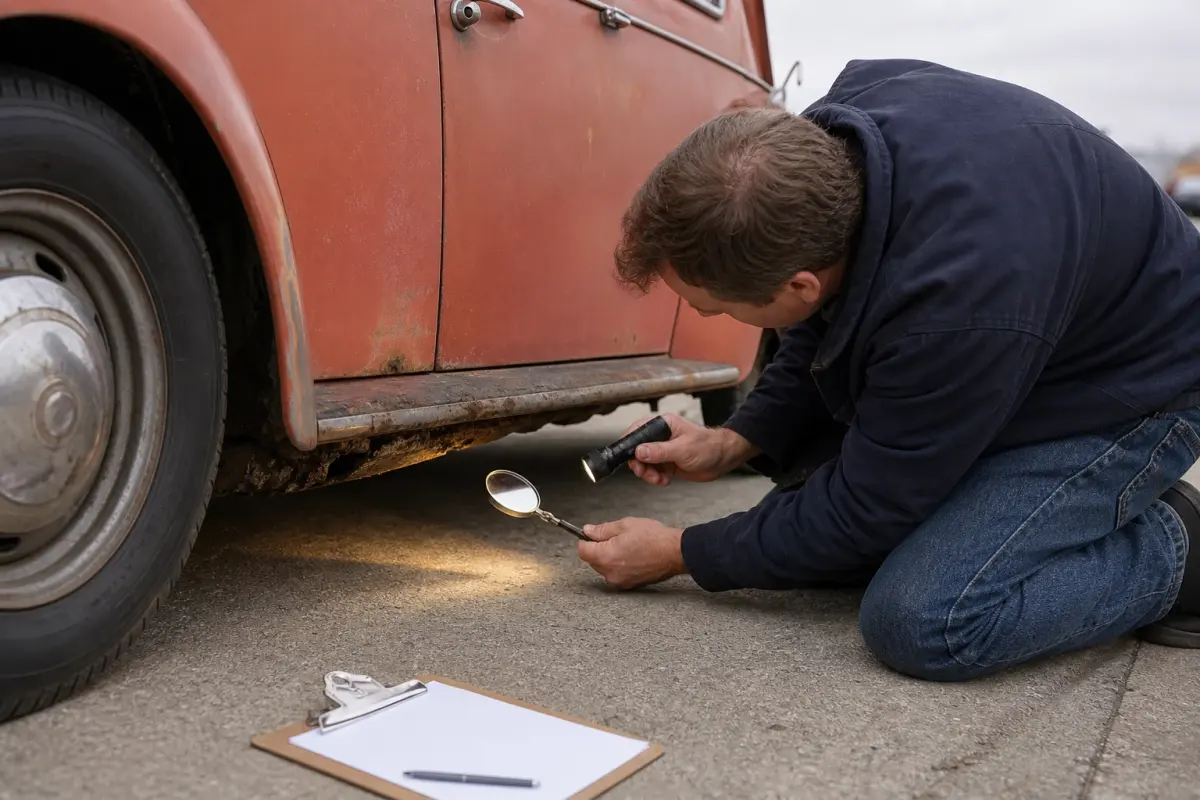
A rack is only as secure as the metal it clamps to. Clean the gutters and inspect them in good light. Look for bubbling paint, cracked seam sealer, previous repairs, distortion, or corrosion hidden beneath old dirt. A clamp can make an existing weak area worse, and fresh paint can hide problems that still need repair.
Check that every clamp, foot, pad, fastener, and spacer supplied with the rack is present. Do not replace a missing shaped clamp with a generic bolt-and-plate arrangement. The mounting hardware should spread force across the intended contact area without cutting into the gutter or pulling the rack sideways.
After fitting, inspect the rack without luggage and confirm that every pad remains seated, every fastener has equal engagement, and no component touches paint as the body and rack move. Complete a controlled first check before loading the rack, then inspect the mounting points again after use.
Ask which vehicle option is being supplied, which parts are included, what dimensions apply, whether assembly is required, how the rack mounts, what care is recommended, and whether any load information is documented. Confirm shipping and return conditions before installation, because fitting marks or alteration can affect return eligibility.
A suitable VW Beetle roof rack should look as though it belongs on the car, but it must first mount correctly and carry its intended load safely. Choose the style you like after confirming the dimensions, gutter hardware, material, and real use case. That approach protects the Beetle and gives you an accessory you can actually rely on.
See our classic VW Beetle inspection guide if you are assessing an unfamiliar car, or browse the current classic Volkswagen parts range and ask us to check fitment before ordering.
Compare the wood-slat roof rack, deck-lid rack, and luggage straps only after completing the checks above. Browse VW Beetle roof racks, read more VW Beetle roof-rack guides, view Volkswagen builds and fitted details, or open the support chat with the vehicle and mounting details.
Before checkout, write down the selected vehicle option and compare the live price, availability, dimensions, included hardware, shipping result, and return conditions. Save photographs of the clean mounting area and measure it again. If the rack is intended for occasional display rather than carrying luggage, the same mounting and clearance checks still apply. If it will carry luggage, plan the restraint path before purchase and verify that the luggage cannot shift, obscure lights, interfere with access, or contact painted, hot, or moving parts. After installation, inspect the rack empty, then with a suitable light load in a controlled setting, and recheck every contact point and fastener. Stop using the arrangement if it moves, damages the body, produces an unexpected noise, or cannot be secured without extra holes, improvised hardware, or an undocumented modification. Keep the product instructions, hardware list, and selected-option confirmation with the vehicle records. Before a later owner or workshop removes or refits the rack, those records provide a safer starting point than trying to reconstruct the arrangement from photographs alone. Reinspect the mounting pads and fasteners after the first journey, after severe weather, and before carrying a different shape of luggage.
Choose by use
Use the mounting position and the checks below to narrow the choice before comparing appearance.
| Arrangement | Mounting area | Confirm before choosing |
|---|---|---|
| Roof rack | Rain gutters above the cabin | Vehicle and body details, gutter condition, clamp reach, roof clearance, intended luggage, and documented rack and vehicle limits. |
| Deck-lid rack | Rear deck lid | Mounting geometry, deck-lid condition, engine access and ventilation, light and number-plate clearance, and a suitable restraint path. |
Complete these checks before ordering and repeat the mounting and restraint checks after fitting.
References
Use the source that matches the vehicle, year, installed parts, and location. A general guide cannot replace the correct service information or an inspection of the individual car.
First-party product evidence for the roof-rack vehicle options and rain-gutter mounting arrangement referenced by the comparison.
First-party product evidence for the rear deck-lid mounting arrangement referenced by the comparison.
Government guidance on roof-rack limits and securing loads on cars.
Fitment support
Tell us your Volkswagen model, year, and the part you are considering.
Related parts
See parts related to this guide and ask about fitment before checkout.
Browse matching partsContinue reading
Share your VW model, year and part, or include your order number.
Start a new chat for another question. Our support team will still have the closed conversation.