
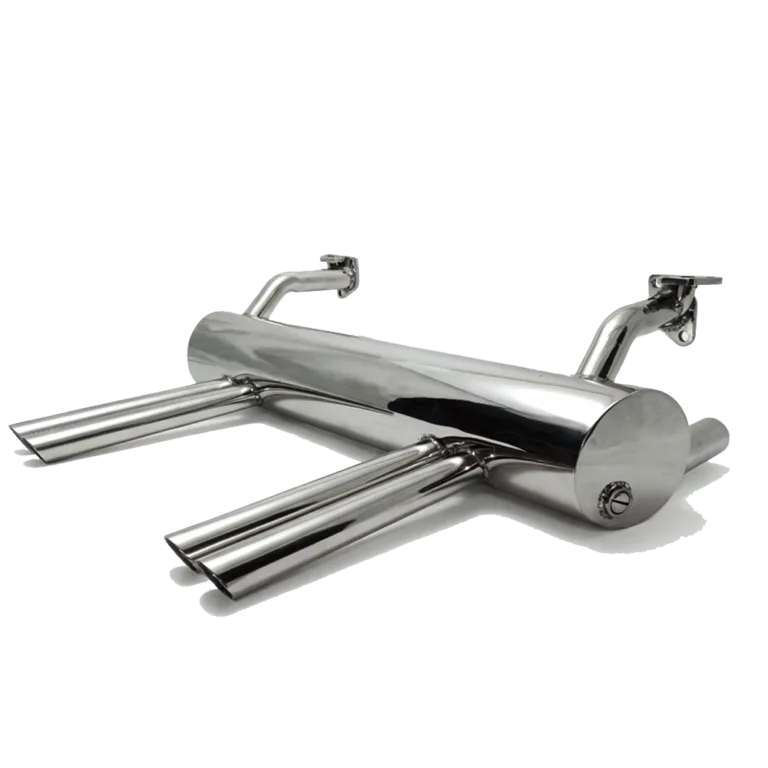
Abarth-Style Exhaust
$ 399
Listed 1300cc and 1600cc Beetle applications
Choose an option
1300cc selected. Ordering is ready.
Made to order
Classic Volkswagen catalog
Browse the mechanical parts currently listed for classic Volkswagen applications. Engine size, dimensions, routing, installation, and condition of the existing vehicle can affect suitability, so confirm every required specification before ordering.
2 products
For the exhaust, confirm the engine, existing exhaust arrangement, connection points, dimensions, and required hardware. For fuel hose, confirm internal and external diameter, length, fittings, fluid compatibility, pressure and temperature requirements, routing, and clearance.
Swipe or use arrow keys to browse every product
Listed 1300cc and 1600cc Beetle applications
1300cc selected. Ordering is ready.
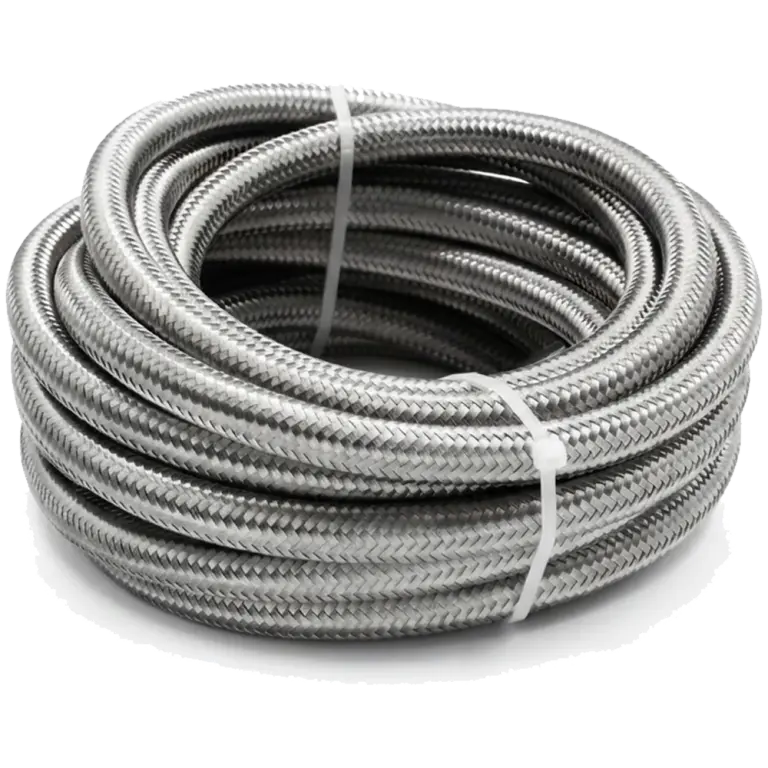
Mechanical compatibility depends on the complete system around the part. For an exhaust, inspect the engine, ports, heat-riser arrangement, existing headers, attachment type, sealing faces, apron, bumper, heater equipment, and ground clearance. For fuel hose, inspect every fitting, clamp, grommet, support, heat source, electrical source, moving part, and bulkhead passage along the route.
Do not use a product as a diagnosis. A hot-start fault, fuel smell, exhaust leak, overheating symptom, or poor running condition can have several causes. Test the fault, identify the required specification, and repair the underlying system rather than assuming that a replacement hose or exhaust will correct an unrelated problem.
Fuel-system and exhaust work can create fire, fume, heat, lifting, and leak hazards. Use documented specifications and compatible components, inspect the surrounding vehicle, and use a qualified professional when the tools, condition, fitment, or local requirements are uncertain. After installation, check the complete system before operating the vehicle.
If a dimension, connection, pressure, temperature, material, included part, or legal requirement is not documented for the exact item and application, ask before ordering instead of filling the gap with an assumption. Send the product link, vehicle details, photographs, and the measurements that define the connection.
Prepare the work around the complete vehicle, not only the new part. Record the current hose route or exhaust arrangement before removal, label relevant connections, protect surrounding components, and compare the delivered item with the confirmed order before altering anything. Stop when a connection or clearance differs from the documented application.
After any mechanical installation, inspect every fastener, joint, seal, support, heat-sensitive area, and moving clearance using the correct service procedure. A fuel system must be checked carefully for leaks before operation. An exhaust system must be checked for leaks, insecure parts, unwanted contact, and safe clearance. Reinspect after the controlled first use and correct any change before normal driving. Keep the product documentation, confirmed measurements, photographs, and installation notes with the vehicle records so later inspection starts from evidence.
Inspect the existing vehicle and related systems before installation. Exhaust work involves heat, sealing, clearance, and local requirements. Fuel-system work can create a serious fire risk if the hose, fittings, routing, or installation method is incorrect. Use a qualified professional when necessary.
Read the hot-start diagnosis guide Read the air-cooled VW Beetle overheating guideSend the product link, Volkswagen model and year, engine details, current components, measurements, and useful photographs through the support chat. A product should not be used as a diagnosis or assumed to correct an unrelated mechanical fault.
Share your VW model, year and part, or include your order number.
Start a new chat for another question. Our support team will still have the closed conversation.
