
Made by Eastern Automotive
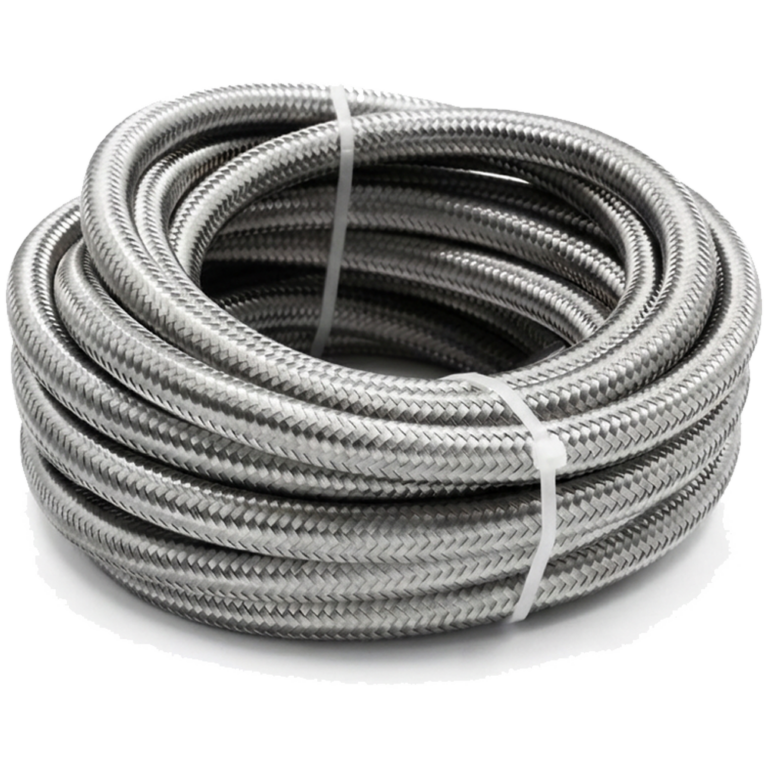
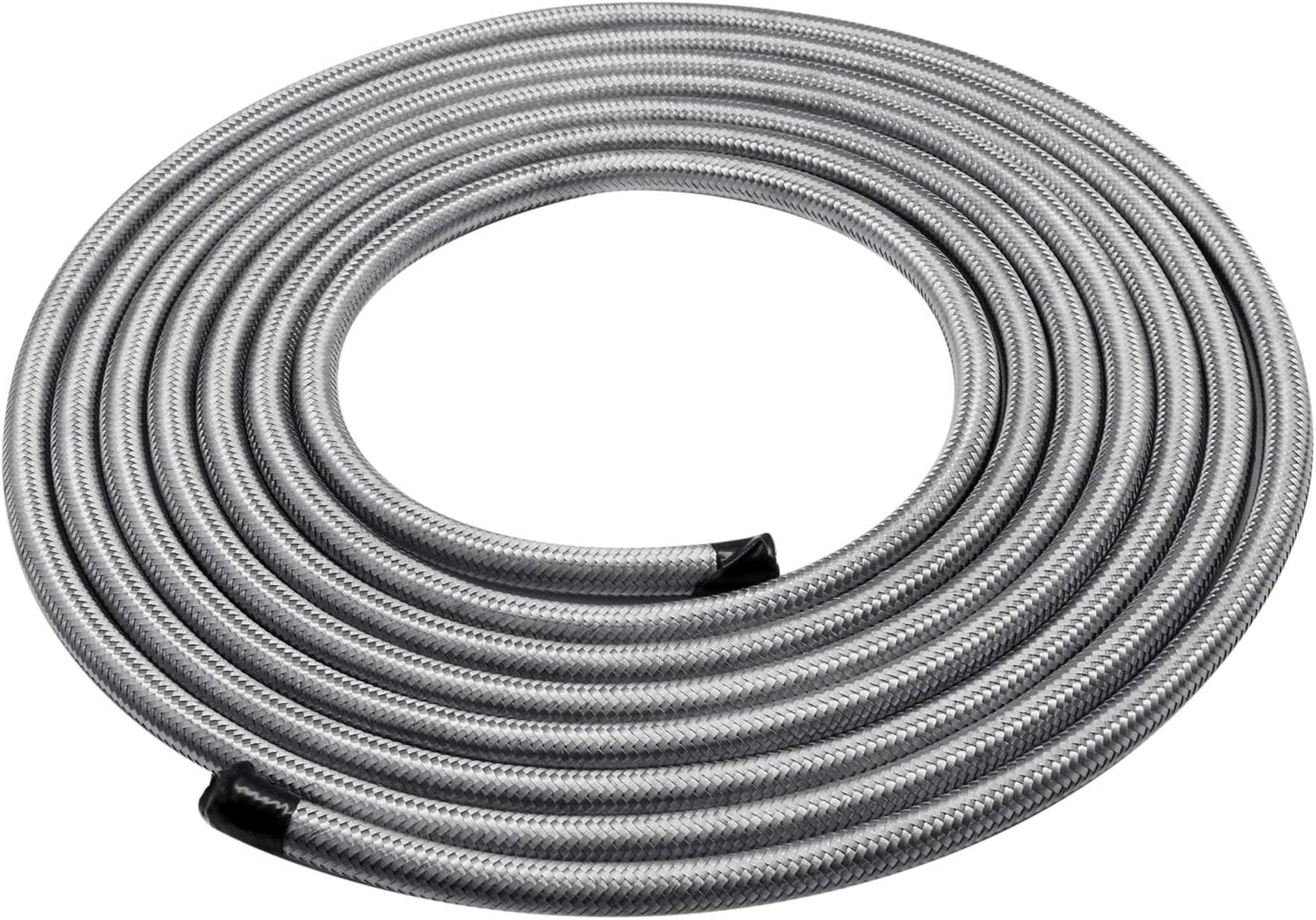
Braided Fuel Line Hose
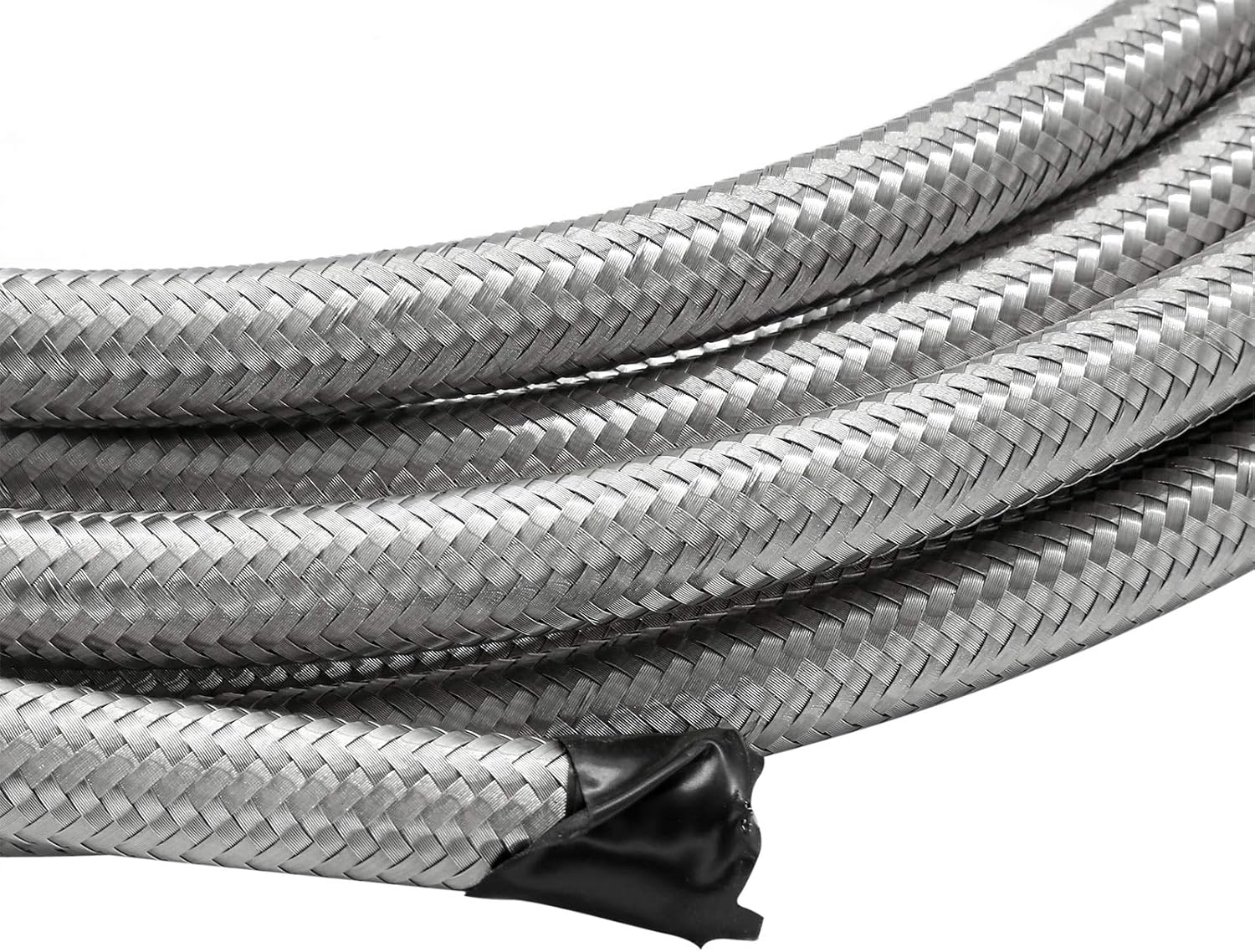
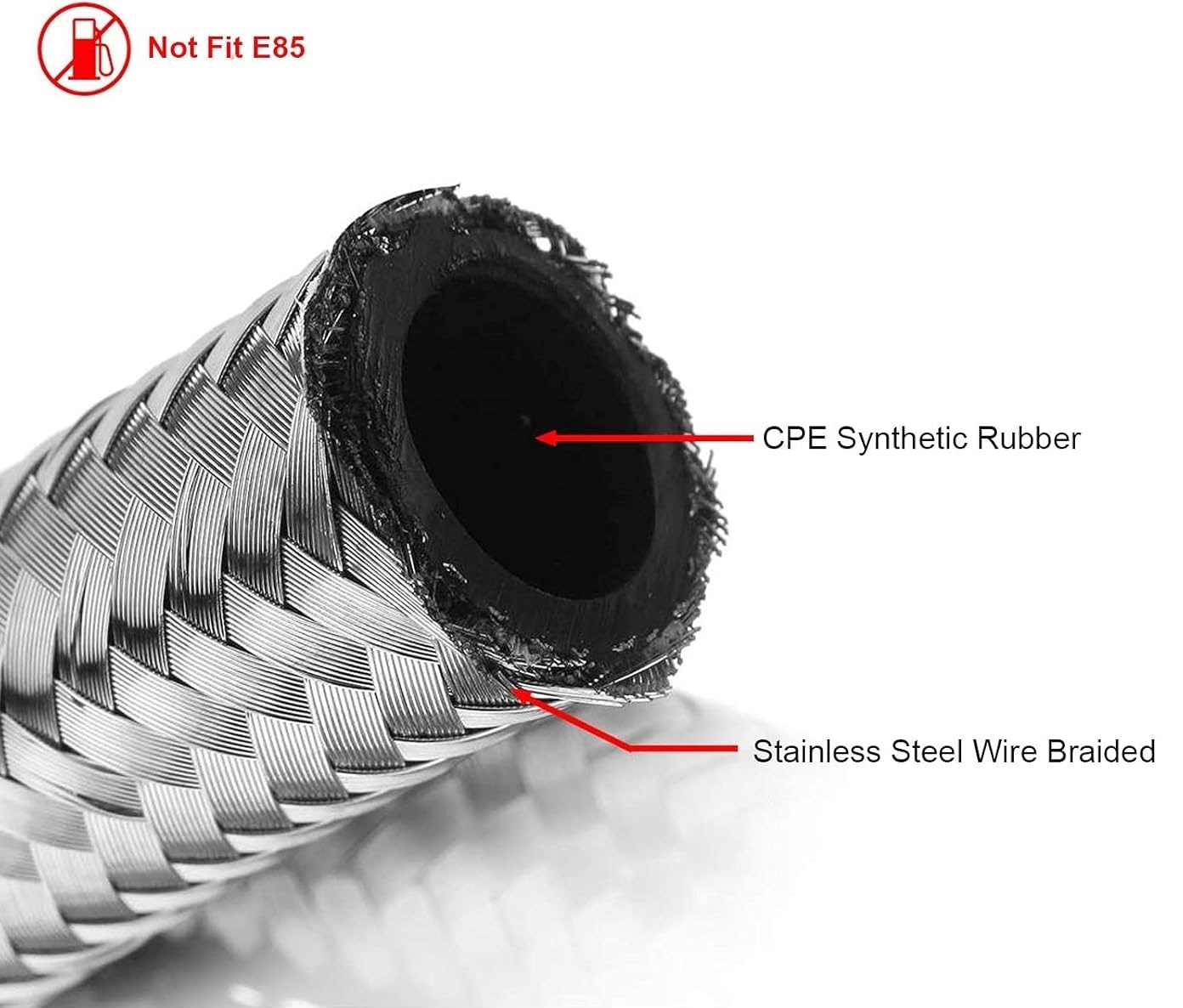
Stainless-steel braid over a CPE synthetic-rubber inner hose.
 Look closer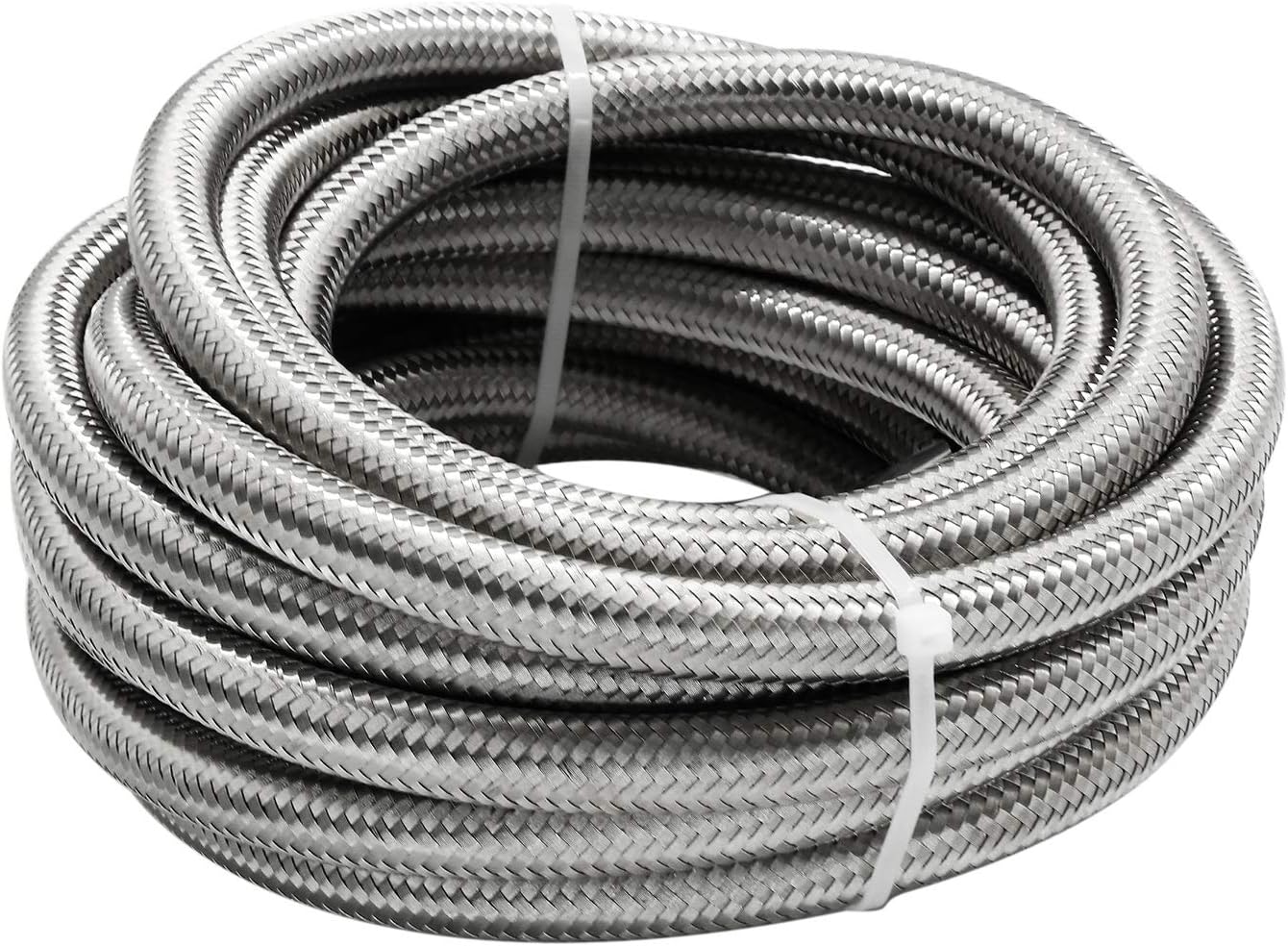
From our production to your Volkswagen.
We make these parts at Eastern Automotive. Talk directly to our team about fitment, your order or a custom request.
- Order
- Production
- Dispatch
- Delivery
Product details

- Construction
- Stainless-steel braided outer layer; CPE synthetic rubber inner hose.
- Listed length
- 6 feet. Confirm the required length and internal diameter before ordering.
- Installation
- Confirm fuel compatibility, fittings and routing with your installer.
Will it fit my car?
Confirm hose size, fuel compatibility and fittings before ordering.
Confirm your model, year and any modifications before ordering.
Ask us about fitmentProduction, delivery & returns
Production: All products are made to order. Standard dispatch is normally within 30 working days. Customized or extended-dispatch orders may take up to six months. Contact us for a product-specific estimate.
Delivery: Transit usually takes 10–60 working days after dispatch and can take longer. Available destinations, delivery methods and charges depend on your cart and address. Free shipping applies only when offered at checkout. Import duties are additional unless checkout states otherwise.
Returns: Request a return within 20 days of delivery, subject to eligibility. Standard voluntary returns must be unused, uninstalled and unmodified, with complete packaging. Return shipping and refund conditions depend on the circumstances.

