VW Beetle
Is Volkswagen Building an Electric Beetle?
Review public statements and credible reports about a possible electric Volkswagen Beetle, including what has been confirmed and what remains speculation.
VW Beetle
Review public statements and credible reports about a possible electric Volkswagen Beetle, including what has been confirmed and what remains speculation.
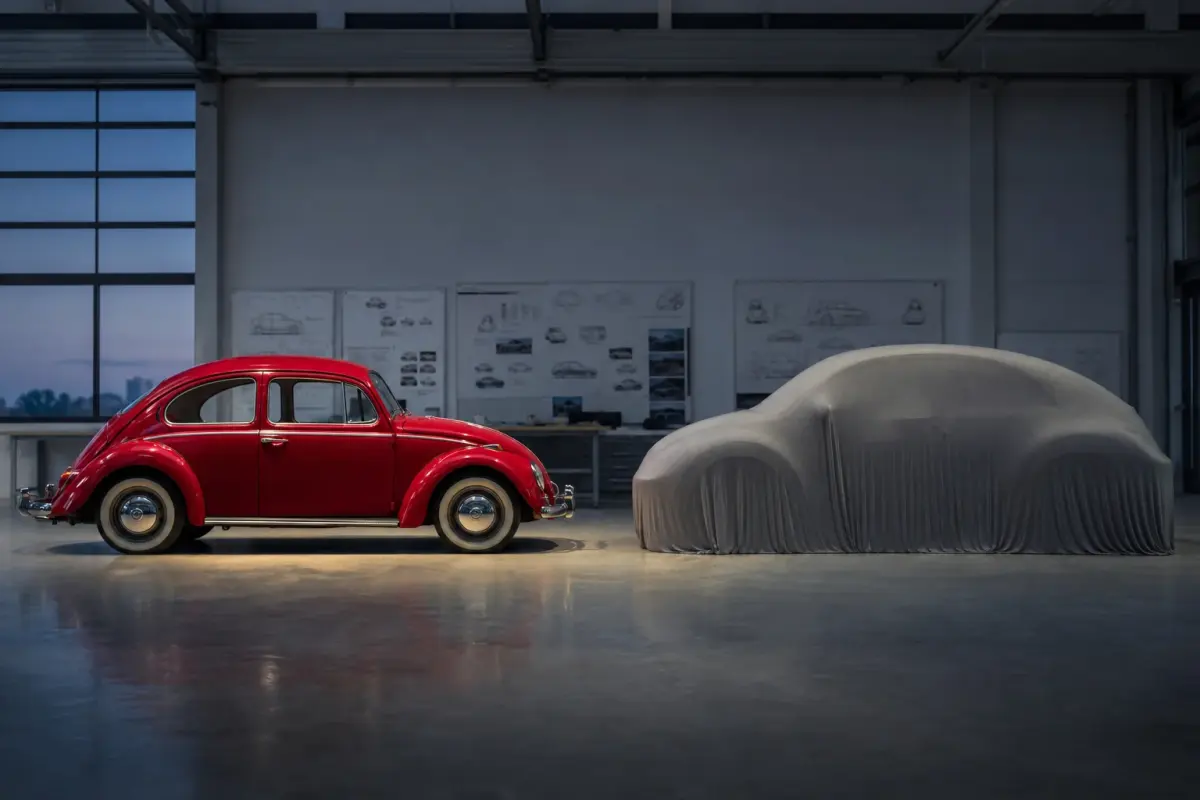
Public discussion about an electric Beetle mixes official statements, concepts, reporting, and speculation; these are not the same as a confirmed production programme.
Rumors about an electric Volkswagen Beetle return spread quickly because the name still carries unusual emotional weight. A rounded teaser, a compact Volkswagen EV, or an executive comment about heritage can become an “electric Beetle confirmed” headline within hours. The interesting question is not whether people want the story to be true. It is what Volkswagen has actually announced.
As of July 2026, the official Volkswagen material reviewed for this article does not confirm a production electric Beetle. Volkswagen has announced and previewed other compact electric models, while its own Beetle history describes the 2019 Final Edition as the end of the most recent production generation. That leaves room for future ideas, but it is not the same as a model announcement.
Volkswagen’s official history records the original Type 1 Beetle, the New Beetle, and the 2011–2019 Beetle as distinct eras. The company says the last example of the most recent Beetle generation left the Puebla production line in July 2019. You can read that timeline in the Volkswagen Newsroom Beetle archive.
Volkswagen’s current small-EV communication instead identifies projects such as the ID. 2all and ID. EVERY1. Its official future-plan material discusses an electric urban-car family and new entry-level models; it does not present those vehicles as a Beetle. The Volkswagen future-plan announcement is the primary source.
The careful conclusion is simple: Volkswagen is developing affordable compact EVs, but an electric Beetle is not confirmed by those announcements.
Volkswagen has repeatedly used historic names and shapes in concepts and has developed dedicated electric vehicles, but a general interest in heritage does not equal a confirmed electric Beetle program. The company’s current ID. EVERY1 information identifies that vehicle as an electric entry-level concept and names a planned production version; it does not announce a Beetle production model. Treat an official newsroom release, investor statement, production plan, or model launch with specifications and timing as stronger evidence than an interview expressing interest in an idea.
The Beetle is one of the few vehicle shapes that can be recognized from a rough silhouette. It also has a history of reinvention. Volkswagen’s 1994 Concept 1 reinterpreted the original and led to the New Beetle, while the 2011 car moved the design in another direction. Because the name has already crossed generations and engineering layouts, another reinterpretation feels imaginable.
Electric packaging adds to the speculation. A purpose-designed EV platform can move components and cabin space around differently from an air-cooled rear-engine car or a front-engine New Beetle. That creates design freedom, but it does not automatically create a good Beetle.
Reports often combine earlier electric concepts, platform discussions, design interviews, nostalgic demand, independent conversions, and speculation about future model names. Volkswagen Group’s 2019 electric classic Beetle conversion announcement concerned a partner conversion of existing cars, not a new factory Beetle. Each source needs a date and original context. A later article that repeats an older quote can look like new information even when no decision, program, factory allocation, or launch timing has changed.
Unless Volkswagen publishes a current program, the vehicle’s production approval, platform, body style, technical specification, factory, markets, price, and launch date remain unconfirmed. Illustrations and third-party renders are not product photography. Supplier rumors and unnamed-source reports can be newsworthy, but they should be labeled as reports rather than converted into settled fact.
A convincing modern Beetle would need more than round headlights and curved fenders. The original succeeded because it combined identity with practical, repeatable engineering. A new car would need clear visibility, useful space, manageable dimensions, an approachable cabin, sensible efficiency, and a price that fits its role.
There is also a difficult balance between heritage and crash, aerodynamic, lighting, visibility, and packaging requirements. Copying the original too literally could produce a compromised modern car. Moving too far away could leave only a badge and a marketing story.
A concept demonstrates an idea; a trademark can protect a name or design; a prototype may test technology; and a production program commits engineering, regulation, sourcing, manufacturing, service, and sales resources. One step does not prove the next. Even an official concept can change substantially or never enter production, so language should match the evidence stage.
If Volkswagen ever announces one, look for substance in five areas.
This section is inference, not confirmation. A future Beetle-inspired EV would need a defined customer, practical package, regulatory case, platform position, and relationship to Volkswagen’s other electric models. Heritage styling could create recognition, but range, efficiency, price, interior use, production scale, and brand strategy would determine whether the model filled a real place in the range.
Start with the source. An official Volkswagen Newsroom page, regulatory filing, or named executive interview carries more weight than a social-media rendering. Check the publication date, because old concept images are frequently recycled. Read beyond the headline to see whether the story says “will,” “could,” or merely “should.”
Computer-generated illustrations can show an attractive idea without proving that a prototype exists. Patent or trademark activity can protect options without guaranteeing production. A concept car can test public reaction without creating a firm launch plan. None of those things is meaningless, but each represents a different level of evidence.
Look for a dated Volkswagen newsroom announcement, investor communication, named executive quotation in full context, concept debut, test program, regulatory filing, production allocation, or model page. Check whether the report links to the primary source and whether the publication date describes a new event. Separate confirmed statements from the writer’s forecast or rendering.
The Beetle remains a powerful Volkswagen symbol. Volkswagen is actively developing compact electric cars. The company has a history of reinterpreting the Beetle. Those three facts explain why the rumor is believable enough to keep returning.
Those facts explain why the idea continues to return, but they do not confirm a vehicle. Until Volkswagen identifies a Beetle concept or production programme in a current primary announcement, renderings and comeback reports should be described as proposals, reports, or speculation according to their evidence.
Checked against Volkswagen’s official newsroom on 29 July 2026: the current Beetle model archive, announced electric entry models, and Volkswagen Group press material do not establish a new production electric Beetle.
The accurate current position is that interest and speculation are real while a production electric Beetle remains unconfirmed. Confirmation would require a current Volkswagen source that identifies a model or concept, its production intent, technical direction, market position, or launch timing.
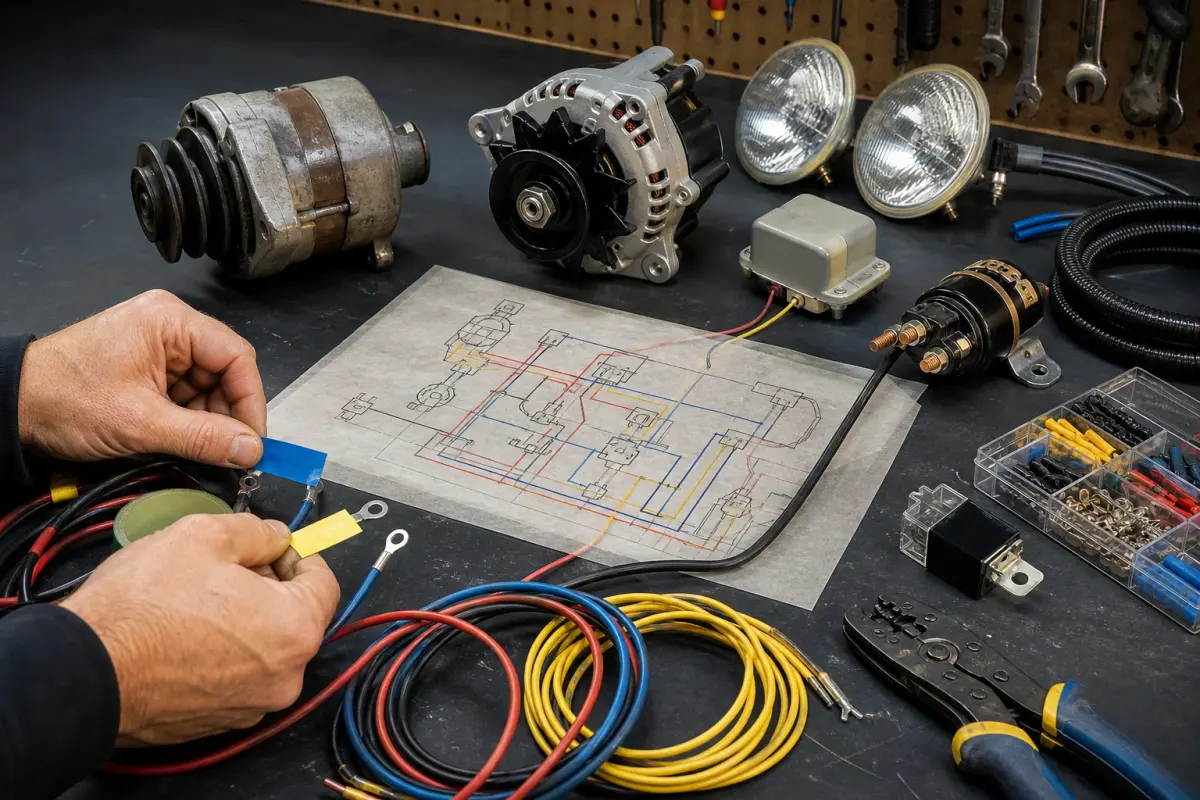
Independent electric conversions of existing classic Beetles can be genuine, road-going projects, but they do not show that Volkswagen has approved a replacement model. The same distinction applies to an official concept: it may explore a design idea without committing a factory, sales date, or final specification. When a new headline appears, follow it to the original dated source and check exactly what Volkswagen has announced. In the meantime, explore the air-cooled Beetle driving experience, view Volkswagen builds and fitted details, or browse the complete Volkswagen guide library.
Evidence status
Evidence reviewed July 30, 2026. This table separates Volkswagen’s published announcements from the inference behind an electric Beetle rumour.
| Public evidence | What it establishes | Status for an electric Beetle |
|---|---|---|
| Volkswagen’s Beetle model archive | The cited production generation ended in 2019. | Historical record, not a future-model announcement. |
| ID. EVERY1 and Volkswagen’s electric small-car plan | Volkswagen has publicly named and described other electric models and production plans. | Evidence of the wider electric strategy, not confirmation of a Beetle. |
| The e-Bugster | Volkswagen’s Beetle Cabriolet archive identifies the e-Bugster as a concept. | A concept is not a series-production announcement. |
| Electric-conversion partnership for historic Beetles | Volkswagen Group Components supported a conversion project for existing classic cars. | A conversion programme is different from a new series-production Beetle. |
| No Beetle production release among the sources cited here | The article has no primary announcement naming a new electric Beetle for production. | Unconfirmed; any future-model conclusion remains inference. |
References
Use the source that matches the vehicle, year, installed parts, and location. A general guide cannot replace the correct service information or an inspection of the individual car.
Volkswagen’s archive entry for the most recent production Beetle generation.
The named concept and Volkswagen’s stated electric small-car production plan; it does not announce a Beetle.
Volkswagen’s model archive describes the e-Bugster as a concept, not a production Beetle.
Volkswagen Group Components’ announcement about converting existing historic Beetles to electric drive.
Keep exploring
Continue with practical ownership, inspection, and technical articles.
Browse all Volkswagen guidesVolkswagen gallery
Browse vehicle, interior, fitted-part, and product photography.
View the Volkswagen galleryContinue reading
Share your VW model, year and part, or include your order number.
Start a new chat for another question. Our support team will still have the closed conversation.