VW Beetle Articles
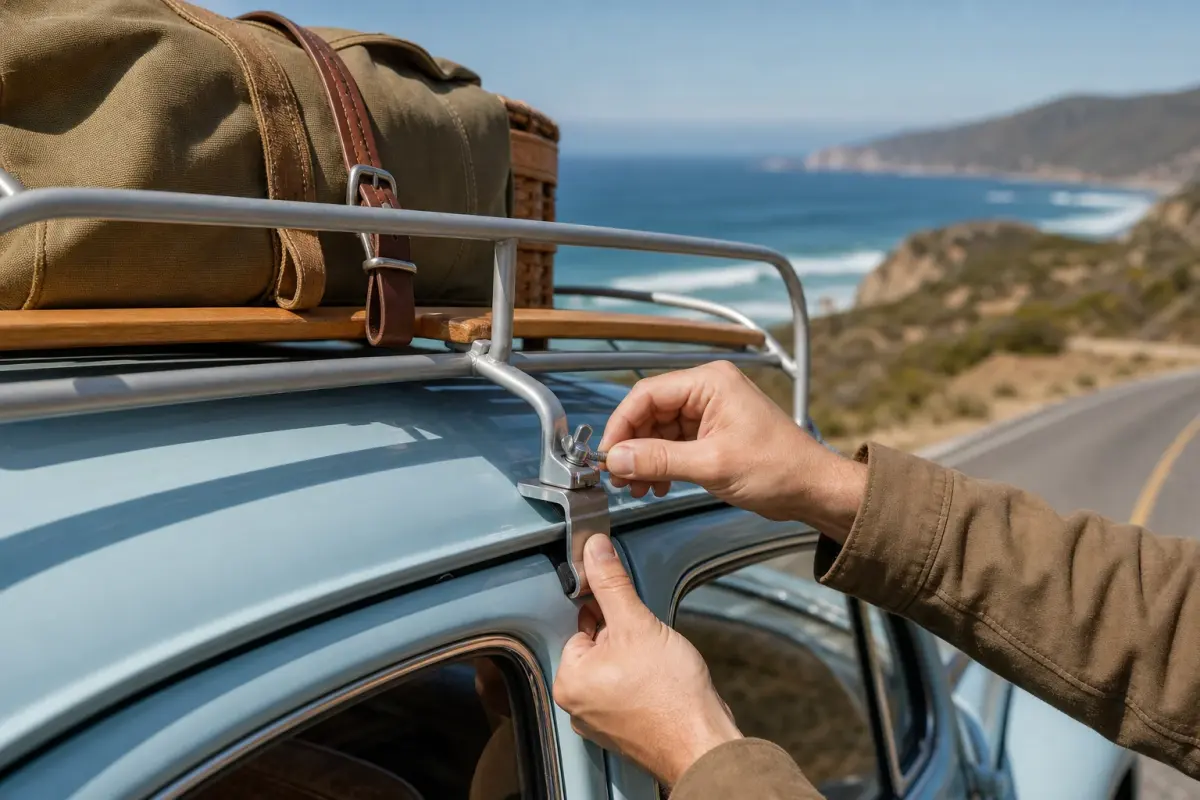
VW Beetle roof racks have stayed popular for decades because they do two jobs at once. They add useful luggage space, and they change the silhouette of the car in a way that many owners actively want.
Types of VW Beetle roof racks
The most familiar route is the factory-style rack with a tubular frame and wood slats. That is the period-correct look many enthusiasts still prefer. After that come aftermarket racks in lighter modern materials, plus custom racks that prioritize a specific look, load shape, or finish.
Material matters
Steel gives the classic look and good strength, but it needs proper finishing to resist rust. Aluminum is lighter and easier to live with but often looks less period-correct. Stainless steel usually sits at the higher end and gives the clean retro finish many Beetle owners are actually chasing.
Fitment is not generic
The Beetle roofline is curved, which means universal racks are rarely the right answer. Proper Beetle racks use rain-gutter mounting and need to sit cleanly without looking like an improvised add-on.
Load and maintenance
Most Beetle racks are meant for sensible luggage loads, not abuse. Weight distribution, weather protection, and periodic checks on the mounting points matter more than people think. If the rack uses wooden slats, those need proper sealing so the visual appeal does not disappear after a season of use.
Why the right rack matters
A good VW Beetle roof rack does more than carry luggage. It changes the character of the car. That is why the details matter so much, and why buyers looking for a cleaner classic setup usually start with the rack and build outward from there.
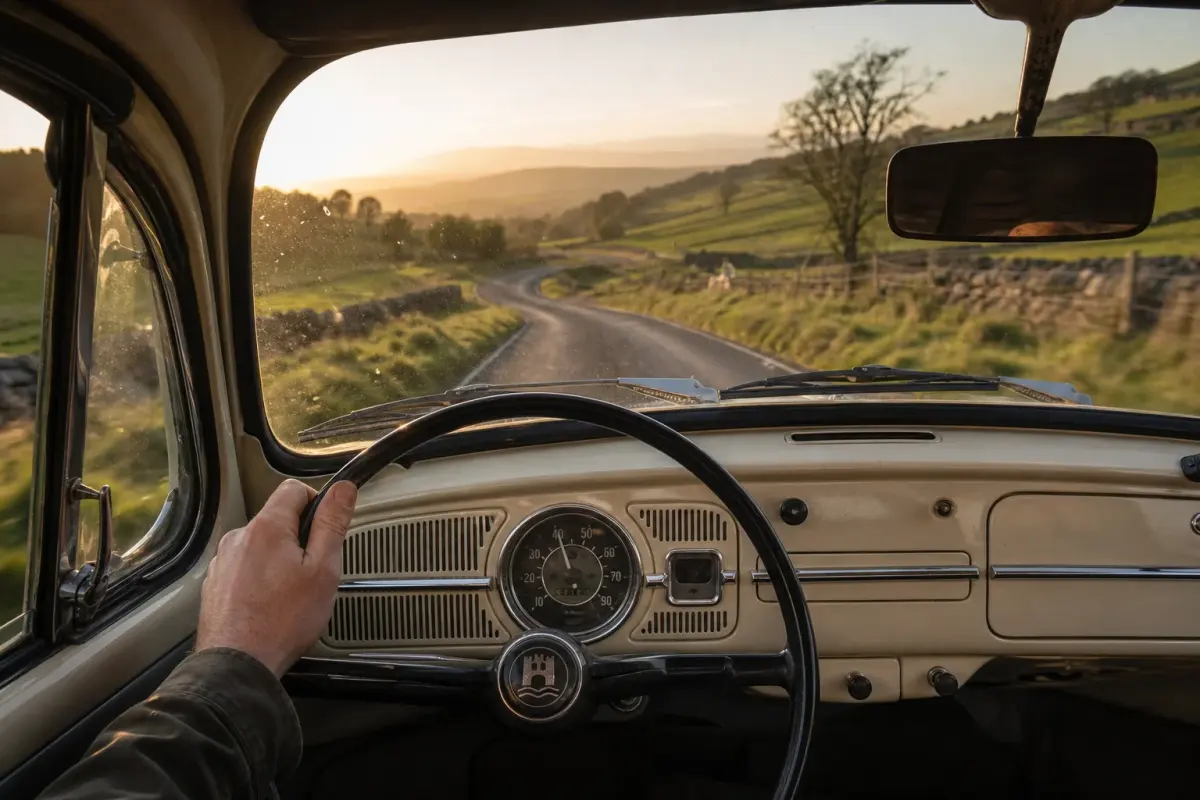
Driving a classic Volkswagen Beetle tends to do one thing very quickly: it gets people talking. Owners, passengers, neighbors, and strangers all seem to have a memory tied to one.
Why the Beetle leaves such a mark
The Beetle was never just about speed or power. Its charm came from the way it packaged simplicity, honesty, and character into a shape almost everyone recognizes. Even now, driving one feels more physical and more memorable than a modern appliance car.
The air-cooled character
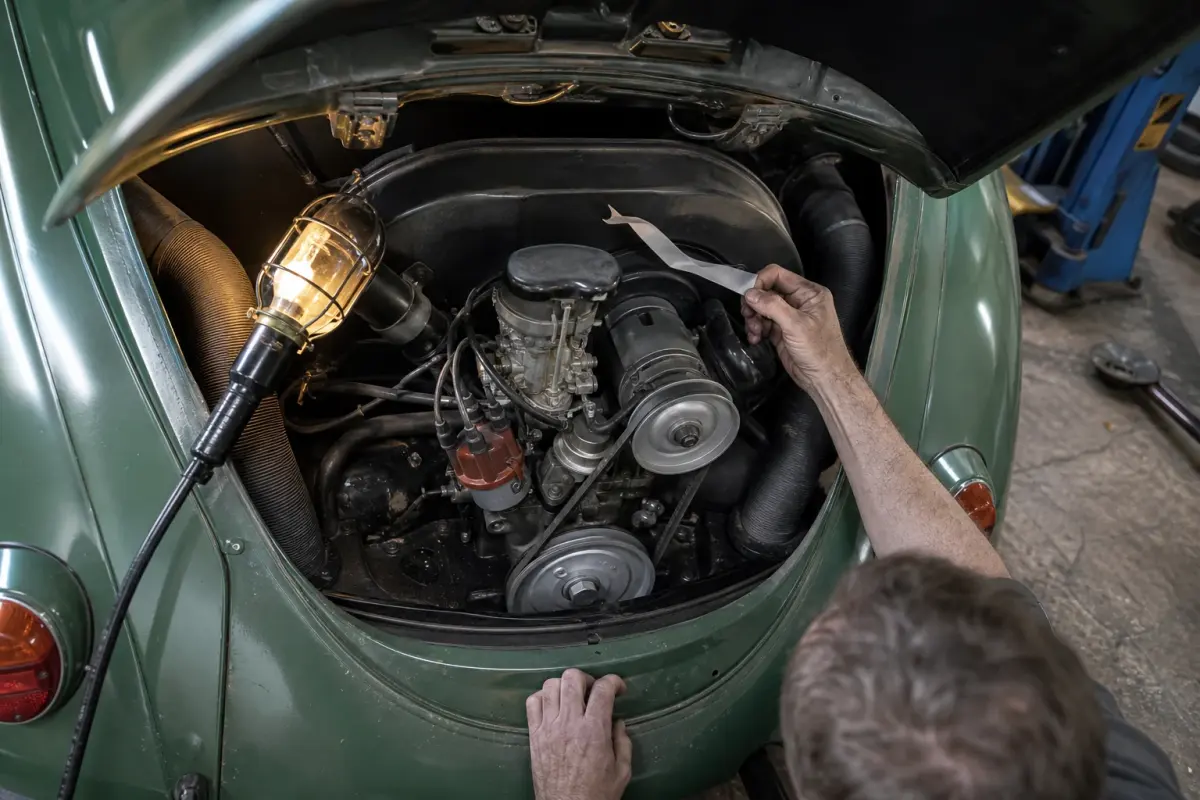
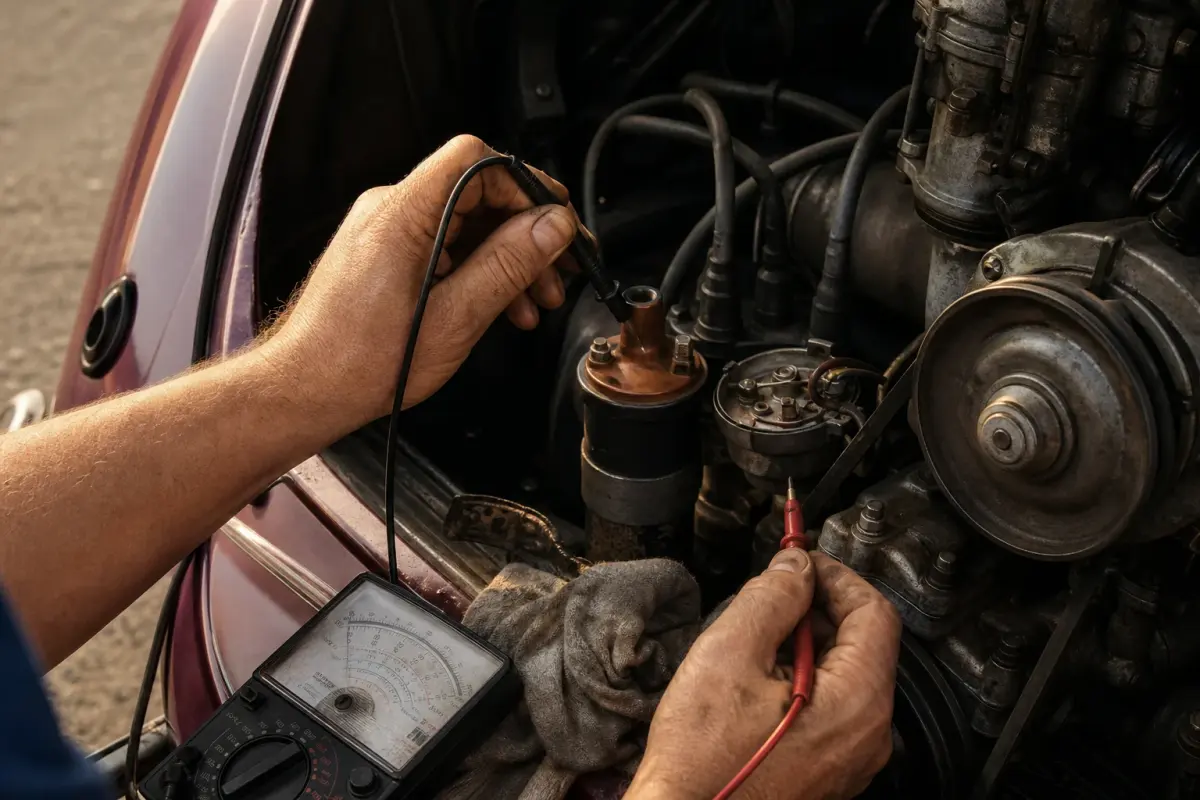
Part of that feeling comes from the air-cooled, rear-mounted layout. On paper the output looks modest, but the experience is lively because the car is light, compact, and mechanically direct. The Beetle rewards involvement rather than isolation.
Why people still tell stories about them
The Beetle became part of family history for an enormous number of people. That is why stories keep surfacing around first drives, road trips, commuting, and even rare period accessories like the Beetle coffee maker. The car became part of ordinary life in a way few vehicles ever manage.
More than nostalgia
The Beetle was successful because the underlying product was solid. It was simple, recognizable, affordable, and adaptable. That mix made it easy to live with and easy to remember.
Why it still matters now
The Beetle still matters because it represents a type of design discipline that is rare now. It was compact without feeling disposable, characterful without being contrived, and simple without feeling cheap. That is a hard combination to replace.
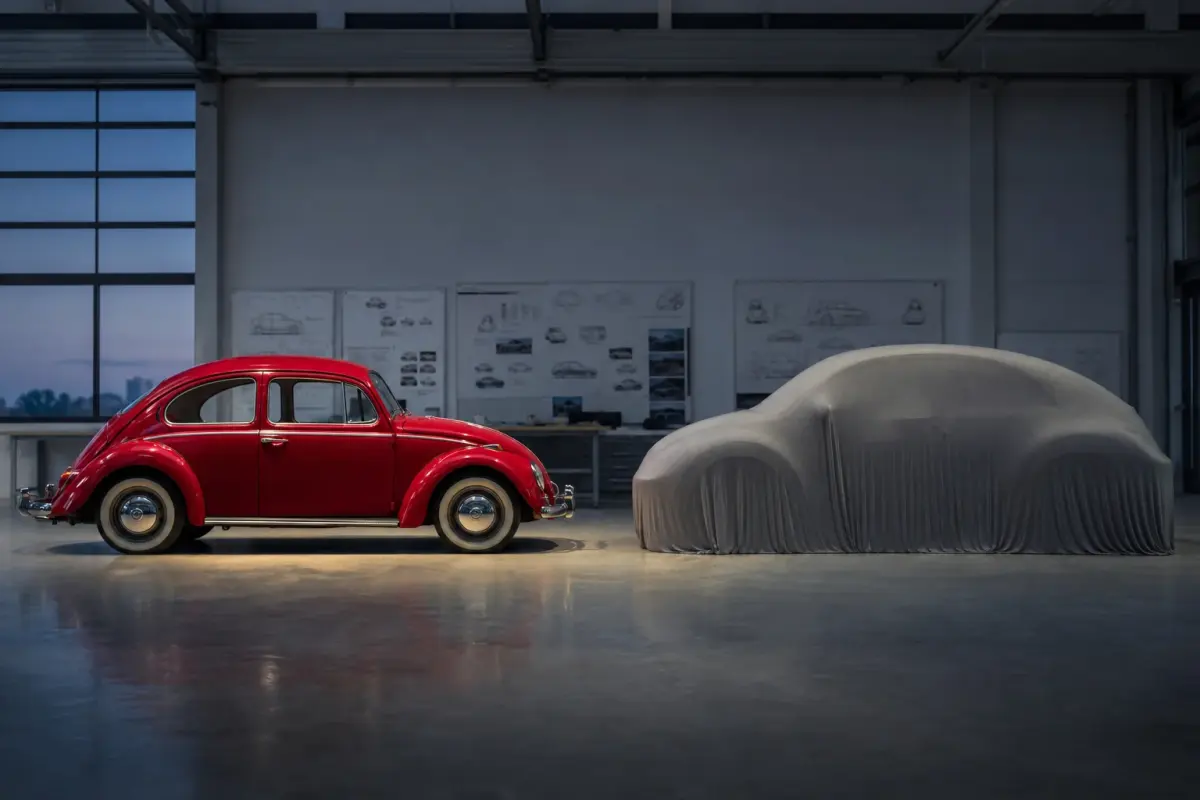
Few cars have kept their emotional grip on people the way the Volkswagen Beetle has. That is why every serious rumor about an electric Beetle return gets attention immediately.
Why the rumor cycle keeps coming back
The Beetle was more than transport. It became a cultural object. Once a car reaches that point, people do not stop imagining a comeback just because production ended.
What the speculation usually points to
Most modern speculation imagines an electric Beetle built on Volkswagen’s current EV direction, with the design carrying the round, friendly identity people still associate with the car. The strongest versions of that rumor are not about nostalgia alone. They assume Volkswagen would need to deliver something emotionally recognisable but technically modern.
What a real return would need
If Volkswagen ever brings the Beetle back as an EV, it would need to avoid becoming a shallow design exercise. It would have to feel useful, emotionally legible, and true to the spirit that made the Beetle work in the first place.
Why enthusiasts care
Part of the excitement is practical, but much of it is emotional. The Beetle sits inside personal history for millions of people. That makes any return story more than a product rumor. It becomes a question about whether one of the world’s most recognisable cars can make sense again in a different era.